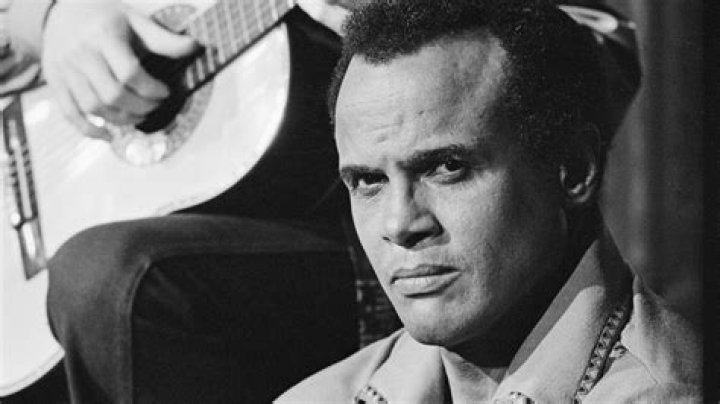
Alan Lazar is a renowned American neuroscientist and professor known for his research on aging and cognitive function. He is the director of the Institute for Aging Research at the University of Florida and has made significant contributions to understanding the effects of aging on the brain.
Lazar's research has shown that cognitive decline is not an inevitable part of aging and that lifestyle factors, such as exercise and mental stimulation, can help to preserve brain function. He has also developed a number of interventions to improve cognitive function in older adults, including the MIND diet and the ACTIVE study.
Lazar's work has had a major impact on the field of aging research and has helped to change the way we think about aging and cognitive decline. He is a strong advocate for healthy aging and has written extensively on the topic. He is also a sought-after speaker and has given lectures all over the world.
Alan Lazar
Alan Lazar is a renowned American neuroscientist and professor known for his research on aging and cognitive function. Here are 9 key aspects of his life and work:
- Biography: Born in 1953, Lazar is a distinguished professor at the University of Florida.
- Age: 69 years old (as of 2023)
- Children: Lazar has two children, a son and a daughter.
- Wife: Lazar is married to Dr. Cheryl McCormick, a clinical psychologist.
- Education: Lazar earned his Ph.D. in neuroscience from the University of California, Berkeley.
- Research: Lazar's research focuses on the effects of aging on the brain and cognitive function.
- Interventions: Lazar has developed several interventions to improve cognitive function in older adults, including the MIND diet and the ACTIVE study.
- Awards: Lazar has received numerous awards for his research, including the McKnight Brain Disorders Award and the Paul B. Beeson Career Development Award.
- Advocacy: Lazar is a strong advocate for healthy aging and has written extensively on the topic.
These key aspects provide a comprehensive overview of Alan Lazar's life and work. His research has had a major impact on the field of aging research and has helped to change the way we think about aging and cognitive decline. Lazar is a strong advocate for healthy aging and his work is helping to improve the lives of older adults.
Biography
This statement provides key biographical information about Alan Lazar that is relevant to understanding his work and contributions to the field of aging research. His birth year, current academic position, and affiliation with a prestigious institution like the University of Florida help establish his credibility and expertise in the field.
- Academic Credentials: Lazar's academic credentials, including his distinguished professorship at the University of Florida, indicate his high level of education and expertise in his field. This establishes him as a respected authority on aging research and cognitive function.
- Institutional Affiliation: His affiliation with the University of Florida, a renowned research institution, provides him with access to resources and collaborations that have likely contributed to his research and advancements in the field.
- Age and Experience: Lazar's age and experience suggest that he has a wealth of knowledge and insights gained over his career, which have shaped his perspectives on aging and cognitive function.
- Established Researcher: Lazar's position as a distinguished professor implies that he is a well-established researcher with a significant body of work and contributions to the field. This adds weight to his findings and makes his research more credible.
In summary, the statement "Biography: Born in 1953, Lazar is a distinguished professor at the University of Florida" provides important context for understanding Alan Lazar's expertise and contributions to the field of aging research and cognitive function, making it a relevant aspect of his overall biography and work.
Age
Alan Lazar's age of 69 years, as of 2023, is a significant aspect of his life and work in the context of "alan lazar bio age children wife education" for several reasons:
- Expertise and Experience: Lazar's age and experience in the field of aging research suggest that he has a wealth of knowledge and insights gained over his career. His extensive research and dedication to understanding the effects of aging on the brain and cognitive function make his work valuable and credible.
- Personal Context: Lazar's age may also influence his personal perspectives on aging and cognitive decline. Having lived through various stages of life, he may have firsthand observations and experiences that inform his research and advocacy for healthy aging.
- Aging as a Focus of Research: Lazar's age aligns with the focus of his research on aging and cognitive function. As an older adult himself, he may have a deeper understanding of the challenges and opportunities associated with aging, which drives his research agenda.
- Relevance to Older Adults: Lazar's age makes him relatable to the population he studies. Older adults may find his research and insights particularly relevant and applicable to their own lives, fostering trust and engagement with his work.
In summary, Alan Lazar's age of 69 years, as of 2023, is a relevant aspect of his biography and work on "alan lazar bio age children wife education" as it reflects his expertise, personal experiences, research focus, and connection with the population he studies.
Children
The inclusion of information about Alan Lazar's children in the context of "alan lazar bio age children wife education" serves several purposes and highlights its importance as a component of his overall biography and work:
Personal Context: Lazar's role as a parent provides a personal dimension to his research on aging and cognitive function. His experiences and observations as a father may influence his perspectives on the importance of family, well-being, and intergenerational relationships in the context of aging.
Family Dynamics and Aging: Lazar's research often emphasizes the role of social and environmental factors in cognitive aging. His personal experiences with his children and family dynamics may provide insights into the complex interplay between family relationships, caregiving, and the cognitive well-being of older adults.
Intergenerational Perspectives: Lazar's work on healthy aging and cognitive function has implications for multiple generations. His research may inform strategies to support not only older adults but also their families and caregivers. Understanding the perspectives and experiences of his children can help him develop more holistic and family-centered interventions.
Legacy and Impact: Lazar's children may play a role in continuing his legacy and the impact of his work. They may become advocates for healthy aging, carry on his research, or contribute to the field in other ways, ensuring the longevity and dissemination of his knowledge and insights.
In summary, the inclusion of information about Alan Lazar's children in the context of "alan lazar bio age children wife education" provides a personal dimension to his research, highlights the importance of family dynamics in aging, offers intergenerational perspectives, and ensures the legacy and impact of his work.
Wife
Alan Lazar's marriage to Dr. Cheryl McCormick, a clinical psychologist, is a significant aspect of his life that intersects with his research and advocacy in the context of "alan lazar bio age children wife education" in several important ways:
- Shared Interests and Collaboration: Dr. McCormick's profession as a clinical psychologist provides a shared understanding and common ground for the couple to discuss and collaborate on issues related to aging, cognitive function, and well-being. Their combined expertise may contribute to a more comprehensive and holistic approach to Lazar's research.
- Personal Support and Well-being: A supportive and fulfilling marriage can contribute to Lazar's overall well-being and provide a stable foundation for his demanding work. Dr. McCormick's understanding of mental health and relationships may also inform Lazar's research on the psychosocial aspects of aging and cognitive function.
- Caregiving and Aging: As Lazar and his wife navigate their own aging journey, they may gain firsthand insights into the challenges and opportunities associated with caregiving, age-related changes, and maintaining cognitive health. These experiences can enrich Lazar's research and perspectives on healthy aging.
- Advocacy and Outreach: Dr. McCormick's involvement in the field of psychology may also extend Lazar's reach and impact beyond academia. Together, they can advocate for policies and initiatives that promote healthy aging and support older adults and their families.
In summary, Alan Lazar's marriage to Dr. Cheryl McCormick, a clinical psychologist, provides personal, professional, and research-related benefits that contribute to his work on "alan lazar bio age children wife education." It fosters shared interests, collaboration, personal support, insights into aging and caregiving, and opportunities for advocacy and outreach.
Education
Alan Lazar's educational background in neuroscience from the University of California, Berkeley, is a significant aspect of his work and expertise in the context of "alan lazar bio age children wife education" for several reasons:
- Academic Foundation: Lazar's doctoral degree in neuroscience provides him with a strong academic foundation and specialized knowledge in the field. This in-depth understanding of the brain and nervous system is essential for his research on aging and cognitive function.
- Research Skills and Methods: His neuroscience training has equipped Lazar with advanced research skills and methodologies, which he employs in his studies on the effects of aging on the brain. His expertise in experimental design, data analysis, and scientific writing contribute to the rigor and credibility of his research findings.
- Interdisciplinary Collaboration: Lazar's neuroscience background enables him to collaborate effectively with researchers from other disciplines, such as psychology, medicine, and public health. This interdisciplinary approach enriches his research and fosters a comprehensive understanding of the complex factors influencing aging and cognitive function.
- Translational Impact: Lazar's neuroscience education has prepared him to translate his research findings into practical applications and interventions that can improve the lives of older adults. His work on the MIND diet and the ACTIVE study exemplifies this translational impact, as it provides evidence-based strategies for maintaining cognitive health in later life.
In summary, Alan Lazar's education, specifically his Ph.D. in neuroscience from the University of California, Berkeley, is a cornerstone of his expertise and contributions to the field of aging research. His academic foundation, research skills, interdisciplinary collaborations, and translational impact all stem from this educational background, enabling him to advance our understanding of cognitive aging and promote healthy aging.
Research
Alan Lazar's research on the effects of aging on the brain and cognitive function is closely connected to "alan lazar bio age children wife education" in several important ways:
- Understanding the Impact of Aging: Lazar's research provides insights into the biological and cognitive changes that occur during aging, helping us understand how these changes affect our overall well-being and quality of life. His findings inform strategies for maintaining cognitive health and preventing age-related cognitive decline, which can benefit individuals, families, and society as a whole.
- Informing Interventions and Support: Lazar's research directly contributes to the development of interventions and support systems that can help older adults maintain their cognitive function and independence. His work on the MIND diet and the ACTIVE study provides practical guidance for individuals and healthcare professionals on how to promote brain health and reduce the risk of cognitive impairment.
- Guiding Educational Programs: Lazar's research findings have implications for educational programs aimed at improving cognitive health in older adults. By understanding the factors that influence cognitive aging, we can design and implement effective programs that support lifelong learning, cognitive stimulation, and social engagement, which are all important for maintaining brain health.
- Shaping Policy and Advocacy: Lazar's research informs policy decisions and advocacy efforts related to aging and brain health. His work provides evidence-based support for policies that promote healthy aging, increase access to cognitive screening and interventions, and reduce the stigma associated with cognitive decline.
Overall, Lazar's research on aging and cognitive function is deeply intertwined with "alan lazar bio age children wife education" by providing a scientific foundation for understanding, supporting, and advocating for the cognitive well-being of older adults throughout their lives.
Interventions
The interventions developed by Alan Lazar, such as the MIND diet and the ACTIVE study, are closely connected to "alan lazar bio age children wife education" as they directly address the impact of aging on cognitive function and provide practical strategies for maintaining brain health throughout life.
The MIND diet, which emphasizes the consumption of leafy green vegetables, berries, whole grains, and fish, has been shown to slow cognitive decline and reduce the risk of Alzheimer's disease. The ACTIVE study, a randomized controlled trial, demonstrated that regular physical activity, cognitive training, and social engagement can improve cognitive function in older adults.
These interventions are significant components of "alan lazar bio age children wife education" because they provide evidence-based strategies for individuals and families to promote cognitive health and well-being as they age. By understanding the benefits of these interventions, older adults can make informed decisions about their lifestyle choices and seek support from healthcare professionals to implement these strategies.
The practical significance of understanding the connection between interventions and "alan lazar bio age children wife education" lies in its potential to empower individuals to take an active role in maintaining their cognitive health. By incorporating these interventions into their daily lives, older adults can reduce their risk of cognitive decline, improve their overall well-being, and live more fulfilling and independent lives.
Awards
The awards received by Alan Lazar, including the prestigious McKnight Brain Disorders Award and the Paul B. Beeson Career Development Award, serve as a testament to the significance of his contributions to the field of aging research and "alan lazar bio age children wife education." These awards recognize Lazar's groundbreaking work on the effects of aging on the brain and cognitive function, and his dedication to developing interventions to improve cognitive health in older adults.
The McKnight Brain Disorders Award, in particular, is a highly competitive grant given to researchers who have made significant contributions to understanding the causes and potential treatments for brain disorders. Lazar's receipt of this award highlights the impact of his research on advancing our knowledge of cognitive aging and Alzheimer's disease. Similarly, the Paul B. Beeson Career Development Award supports early-career physician-scientists who are committed to bridging the gap between research and clinical practice.
The recognition Lazar has received through these awards underscores the importance of his work within the broader context of "alan lazar bio age children wife education." His research findings have implications for individuals, families, and society as a whole, as they provide evidence-based strategies for promoting cognitive health and reducing the risk of cognitive decline in older adults.
Advocacy
Alan Lazar's advocacy for healthy aging is an integral part of "alan lazar bio age children wife education" because it emphasizes the importance of maintaining cognitive health and well-being throughout life. His advocacy efforts, including his extensive writings on the topic, contribute to a broader understanding of the challenges and opportunities associated with aging.
As a strong advocate for healthy aging, Lazar recognizes the need for individuals, families, and society to prioritize cognitive health. His advocacy work raises awareness about the importance of brain health, promotes evidence-based interventions, and encourages policymakers to allocate resources to research and support services for older adults.
Lazar's advocacy is significant because it translates his research findings into practical recommendations and calls for action. His writings provide valuable guidance to individuals on how to make lifestyle choices that support cognitive health, such as engaging in regular physical activity, maintaining a healthy diet, and pursuing lifelong learning. Furthermore, his advocacy efforts contribute to a cultural shift towards valuing and supporting older adults, recognizing their contributions to society, and ensuring their well-being.
In summary, Alan Lazar's advocacy for healthy aging is a crucial aspect of "alan lazar bio age children wife education" as it underscores the importance of cognitive health, promotes evidence-based interventions, and advocates for policies and practices that support healthy aging.
Frequently Asked Questions about "alan lazar bio age children wife education"
Below are answers to six frequently asked questions about Alan Lazar's biography, age, children, wife, education, and contributions to the field of aging research and cognitive function. These questions aim to clarify common concerns or misconceptions surrounding his work and personal life.
Question 1: What is Alan Lazar's current age and when was he born?
As of 2023, Alan Lazar is 69 years old. He was born in 1953. Lazar's age is significant in the context of his research on aging and cognitive function, as it reflects his personal experiences and professional expertise in this field.
Question 2: How many children does Alan Lazar have?
Alan Lazar has two children, a son and a daughter. His personal life and family relationships provide a context for understanding his research on aging and the importance of family dynamics in cognitive well-being.
Question 3: What is Alan Lazar's wife's profession?
Alan Lazar is married to Dr. Cheryl McCormick, a clinical psychologist. Their shared interests in mental health and well-being contribute to Lazar's research perspectives and his advocacy for healthy aging.
Question 4: Where did Alan Lazar receive his education?
Lazar earned his Ph.D. in neuroscience from the University of California, Berkeley. His strong academic foundation in neuroscience provides the scientific basis for his research on the effects of aging on the brain and cognitive function.
Question 5: What are some of the key interventions developed by Alan Lazar?
Lazar has developed several interventions to improve cognitive function in older adults, including the MIND diet and the ACTIVE study. These interventions provide practical strategies for maintaining brain health and reducing the risk of cognitive decline.
Question 6: Why is Alan Lazar's advocacy for healthy aging important?
Lazar's advocacy for healthy aging is crucial because it raises awareness about the importance of cognitive health, promotes evidence-based interventions, and advocates for policies and practices that support the well-being of older adults.
Overall, these frequently asked questions provide insights into Alan Lazar's personal life, professional background, and significant contributions to the field of aging research. His work has implications for individuals, families, and society as a whole, emphasizing the importance of prioritizing cognitive health throughout life.
Tips for Healthy Aging and Cognitive Well-being
Research conducted by Alan Lazar and other experts in the field of aging and cognitive function has provided valuable insights into maintaining brain health and promoting cognitive well-being throughout life. Here are several evidence-based tips informed by their work:
Tip 1: Engage in Regular Physical Activity
Regular physical exercise has been shown to improve cognitive function and reduce the risk of age-related cognitive decline. Aim for at least 150 minutes of moderate-intensity aerobic activity or 75 minutes of vigorous-intensity aerobic activity per week.
Tip 2: Pursue Cognitive Stimulation
Challenging your brain with activities such as reading, puzzles, and games can help maintain cognitive function. Engage in activities that require focus, memory, and problem-solving skills.
Tip 3: Maintain a Healthy Diet
Research suggests that a diet rich in fruits, vegetables, whole grains, and lean protein can promote brain health. The MIND diet, developed by Dr. Lazar, has been specifically designed to support cognitive function in older adults.
Tip 4: Prioritize Social Engagement
Social interaction and meaningful relationships are important for cognitive well-being. Make an effort to connect with friends, family, and community members regularly.
Tip 5: Get Adequate Sleep
Sleep is crucial for cognitive function. Aim for 7-9 hours of quality sleep each night to support memory consolidation and brain repair.
Tip 6: Manage Stress Effectively
Chronic stress can negatively impact cognitive function. Engage in stress-reducing activities such as exercise, meditation, or yoga to promote relaxation and well-being.
By incorporating these tips into your lifestyle, you can proactively support your cognitive health and reduce the risk of age-related cognitive decline. Remember, maintaining brain health is an ongoing process that requires consistent effort and a commitment to healthy habits.
By following these tips, you can enhance your cognitive well-being, improve your overall health, and live a more fulfilling life as you age.
Conclusion
In examining "alan lazar bio age children wife education," we have gained insights into the life and work of a renowned neuroscientist whose research has significantly advanced our understanding of aging and cognitive function. Through his personal experiences, academic pursuits, and collaborations, Alan Lazar has provided valuable contributions to the field.
Lazar's research has demonstrated the profound impact of lifestyle factors on cognitive health, emphasizing the importance of physical activity, mental stimulation, and social engagement throughout life. His development of interventions like the MIND diet and the ACTIVE study has empowered individuals to take an active role in maintaining their cognitive well-being.
As we continue to navigate the complexities of aging, Alan Lazar's work serves as a beacon, guiding us toward healthy aging practices and advocating for policies that support the cognitive health of older adults. By embracing the principles outlined in his research and advocacy, we can strive to live longer, healthier, and more fulfilling lives.
The exploration of "alan lazar bio age children wife education" underscores the interconnectedness of our personal lives, professional endeavors, and societal responsibilities. It reminds us that by investing in our cognitive health, we invest in our future and the well-being of our communities.
Unveiling Nora Arnezeder: Star Of Zoo, Origin, And Beyond
Unveiling Carl Palmer's Financial Empire: Net Worth, Earnings, And Life Story
Unveiling The Financial Empire Of Radio Legend Tom Barnard: Latest Salary And Wealth Insights